




California-based Leap Venture Studio, the first startup-centric program to accelerate innovation across the burgeoning pet ecosystem, picked its tenth cohort from more than 300 applications spanning over 40 countries, representing the largest pool the accelerator has seen since it launched in 2018.
The program, run jointly by Mars Petcare, TAW Ventures, and Michelson Found Animals, kicked off on August 24 in Nashville and wraps up the week of November 9 in London. Six startups made the cut, each getting $200,000 and a hybrid mentorship track built for early-stage founders.
The bigger change this round, however, isn’t who got it, but who is funding them. Leap is bringing on TAW Ventures as a partner, its first new institutional backer in eight years.
TAW was founded by Jane Lauder, and unlike a lot of pet care investors chasing the next viral product, her firm is built entirely around longevity and health span. That thesis runs through nearly every company Leap picked this time, too.
SoluPet, based in Toronto, for example, makes a cognition supplement for aging dogs at a time when an estimated 75% of owners of dogs seven and older notice at least one behavioral change consistent with cognitive decline, but only about 12% ever mention it to their vet.
Meanwhile, Massachusetts-based LymeAlert, founded in 2024, is chasing a similar kind of blind spot on the infectious disease side. Its kit tests the tick itself instead of waiting to see whether a dog’s immune system reacts, and returns results in 15 minutes.
The Companion Animal Parasite Council’s 2026 forecast points to ticks spreading into suburbs that never used to see them, and a study of dogs in North Carolina found Lyme antibody rates jump from 2.2% to 11.2% in just four years.
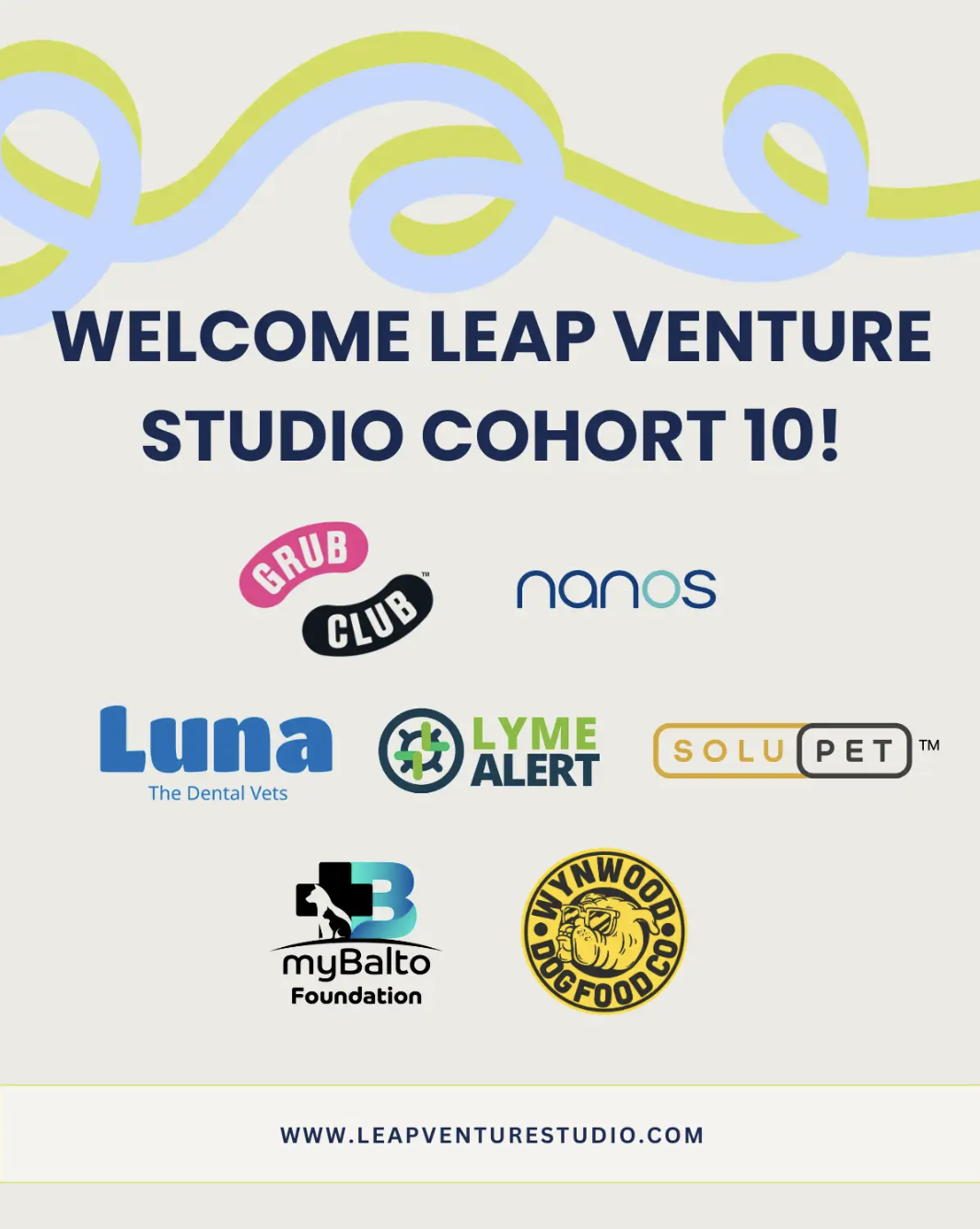
Luna the Dental Vets is going after the most common thing wrong with dogs almost nobody treats early: one in eight seen at a general practice clinic gets diagnosed with periodontal disease in a given year, more than any other condition, as per the Royal Veterinary College’s VetCompass program. The vet-tech business operates throughout the UK, in Bristol, Reading, Eastleigh and Surbiton.
Examine dogs under anesthesia instead of a quick look in the exam room, and other studies put the real number at 80-89% of dogs over three. Luna’s model, dental-only clinics at lower prices, is built around the fact that most owners skip the work once they see a full-service quote.
Grub Club is tackling a different kind of gap, making treats and meals for dogs with food sensitivities using novel proteins that include insects. The market underneath it has grown considerably as well: novel protein pet food was worth $4.21 billion USD in 2024 and is projected to hit $10.33 billion USD by 2033, according to Growth Markets Reports, driven mostly by dogs developing allergies to chicken and beef, the two proteins in nearly every product on supermarket shelves.
NanosVet rounds out the health-focused half of the cohort with nanofiber-based treatment delivery, meant to make procedures less stressful on pets, and Miami-based Wynwood is offering fresh, vet-prescribed food.
Leap also filled its Impact Seat this cohort, a slot reserved for a company judged on what it does for the pet care system rather than on how fast it grows. That went to the San Diego-headquartered myBalto Foundation, which builds dedicated fundraising accounts for veterinary hospitals to help cover treatment for owners who can’t financially afford to.
Every one of these startups is landing in the same tight financial squeeze. More than half of U.S. pet owners have skipped or declined vet care for a pet in the past year because they couldn’t afford it, as per Gallup and PetSmart Charities, and the average vet bill has climbed 32% since 2020 to around $392.
“Cohort 10 drew over 300 applications from more than 40 countries, the highest number we’ve ever seen,” said Rachel Sheppard, director of ventures at Mars Petcare.
Lauder, in her first cohort as a Leap partner, said what stood out was how many founders were thinking about “the full health span of a pet’s life, not just a single need.”
Leap has backed 57 companies since 2018 across 17 markets, and they’ve gone on to raise more than $200 million in follow-on funding.
Featured image: Courtesy of Leap Venture Studio

Disclosure: This article mentions a client of an Espacio portfolio company.