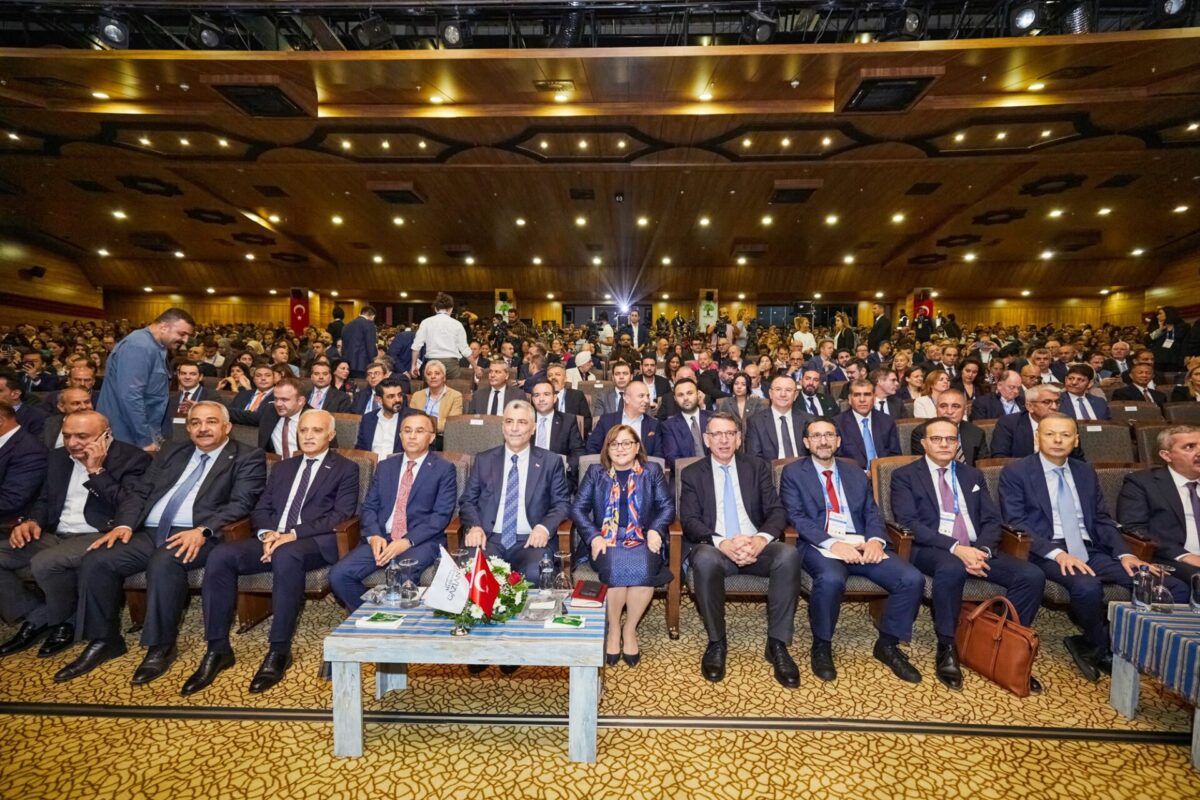


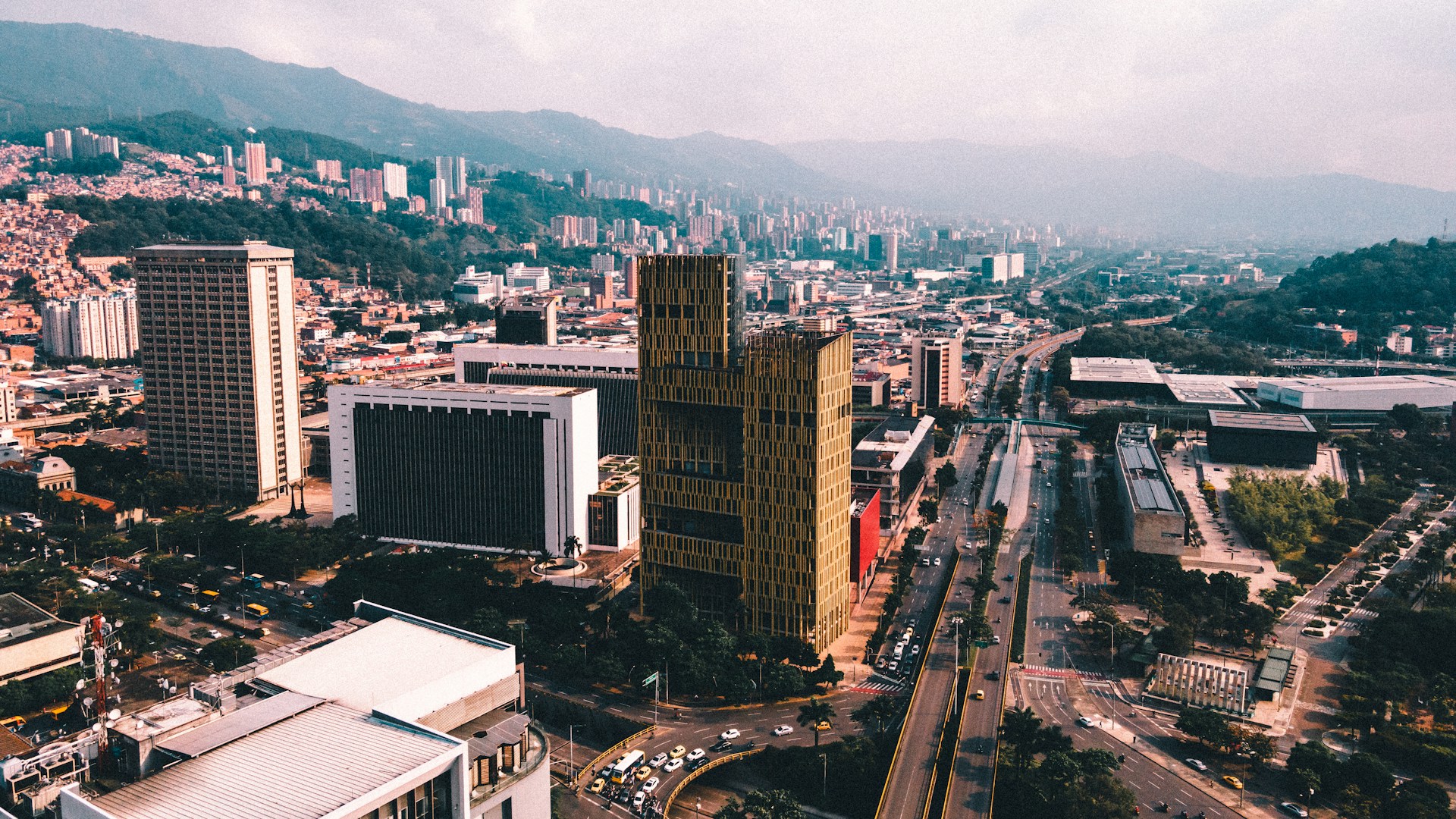


More than 1,000 business leaders, government representatives, investors, and academics are expected to gather in Medellín, Colombia, from November 10 to 13 for the Horasis Global Summit 2026, where discussions on artificial intelligence will intersect with questions about economic development, investment, and the role of technology in society.
The summit, organized by Swiss think tank Horasis with the City of Medellín as co-host, will bring together participants from across Latin America and other regions under the theme “Building Tomorrow.” Its agenda includes AI governance, the future of work, cross-border entrepreneurship, and the conditions needed to scale technology companies beyond their domestic markets.
One session will examine Pope Leo XIV’s Magnifica Humanitas, an encyclical published in May 2026 that addresses human dignity in the age of artificial intelligence. The discussion, which will feature predominantly Colombian university leaders, places questions about the social consequences of AI alongside the summit’s business and investment agenda.
The event marks the first time Horasis has held its global summit in Colombia and its third consecutive year in Latin America, following previous editions in Vitória and São Paulo, Brazil.
From AI governance to the next generation of technology
The summit’s AI discussions extend beyond the technology itself to the institutions, labor markets, and communities that must adapt to its adoption. Sessions will examine how AI should be governed, how it is changing the workplace, and how cities can incorporate technological innovation without losing sight of local knowledge and social needs.
One session, “AI Cities: Connecting Ancestral & Artificial Intelligence,” will explore how local identity, social cohesion, and ecological awareness can inform the use of AI in urban environments. Another, “Governing Artificial Intelligence,” will bring together academics, legal professionals, and technology leaders to discuss how ethical principles can translate into applicable rules.
Mental health is also on the agenda. A separate session will address the growing use of chatbots for emotional support and the limitations of relying on AI systems for needs that require human judgment and clinical expertise.

The discussions reflect a broader question facing technology companies and policymakers: how to incorporate AI into public and commercial systems while accounting for its effects on people, institutions, and access to opportunity.
For Latin America’s startup ecosystem, the summit will also provide a forum to discuss how companies can secure investment and expand across markets. The session “Colombia as a Long-Term Investment Horizon” will bring together representatives from investment promotion, consulting, private equity, and investment firms to examine factors including regulatory clarity, institutional strength, and sustainability.
Another session, “Building Entrepreneurial Pathways Across Latin America,” will focus on regional cooperation and the challenges startups face when attempting to scale beyond national borders. The program also includes a discussion on fintech, with participants from companies including Colombia’s Lineru, TuBanc, Finti, and Avanzo, alongside Venezuela’s Finity Tech.
The agenda’s focus on company growth extends to the next generation of potential unicorns. Rather than concentrating exclusively on rapid expansion and valuations, the discussion will examine the role of execution, capital allocation, and market timing in building businesses capable of sustaining long-term growth.
Medellín itself offers a local reference point for those discussions. Startups in the city had raised US$216 million during 2026 by the time of the report, a 38% increase over the same period in 2025. The city also climbed 15 places to rank 130th in StartupBlink’s global startup ecosystem index.
The summit will further address changes in employment through a session titled “Building Latin America’s New Architecture of Work,” which will examine distributed teams, AI-assisted workflows, and on-demand hiring. Executives from Salesforce Colombia, Globant, TP MAR, and XTrain are listed among its participants.
Beyond business and technology, the program will cover planetary health and Latin America’s position in an increasingly multipolar global order. Former Colombian education minister and current political figure José Manuel Restrepo is listed as the summit’s guest of honor.
For Medellín and the wider region, the gathering creates an opportunity to connect local entrepreneurs and institutions with international investors and decision-makers. Its longer-term significance, however, will depend on whether the discussions lead to partnerships, investment, and initiatives that extend beyond the four-day event.
The summit is organized by Horasis, an independent international think tank founded in 2005 by Dr. Frank-Jürgen Richter, a former director of the World Economic Forum. Headquartered in Zurich, Switzerland, the organization convenes business leaders, policymakers, and academics to discuss global economic and social challenges. For its 2026 gathering, Horasis is partnering with the City of Medellín under the theme “Building Tomorrow,” with an agenda spanning AI governance, the future of work, cross-border entrepreneurship, and the conditions needed to scale technology companies beyond their domestic markets.
By bringing AI governance, urban development, and startup financing into a shared forum, Horasis is positioning Medellín as a place to examine not only how technology companies grow, but also how technological change can shape the societies in which they operate.