


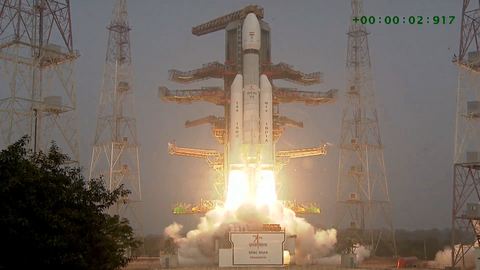


AST SpaceMobile has raised the bar for space-based connectivity. On December 23, the company launched BlueBird 6, a low Earth orbit satellite that covers almost 2,400 square feet. This makes it the largest commercial communications array ever sent into space. The launch is a big step in AST’s goal to deliver 4G and 5G service directly from space to regular smartphones around the world.
AST SpaceMobile has set a new standard for space-based connectivity. On December 23, the company launched BlueBird 6, a low Earth orbit satellite covering nearly 2,400 square feet. It is now the largest commercial communications array in space. This launch moves AST closer to its goal of providing 4G and 5G service directly from space to everyday smartphones worldwide.
BlueBird 6 launched from the Satish Dhawan Space Centre in Sriharikota, India, at 10:25 p.m. EST. The satellite is over three times the size and ten times the capacity of AST’s six previous BlueBird satellites, which had already demonstrated the company’s ability to beam data, voice, and video directly to mobile devices.
“BlueBird 6 is a breakthrough moment for AST SpaceMobile,” said Abel Avellan, Founder, Chairman, and CEO of AST SpaceMobile. “This launch validates years of U.S. innovation and American manufacturing, executed by our team and marks the transition to scaled deployment. With BlueBird 6 now in orbit, we are firmly on the path to delivering true space-based cellular broadband directly to everyday smartphones, at a global scale.”
AST SpaceMobile plans to launch 45 to 60 satellites by the end of 2026, with new satellites going up about every one or two months. This next group of satellites will work directly with regular smartphones and support both commercial and government uses, from fast broadband to important emergency services. The company is aiming for its next launch — a second next-generation prototype satellite — as early as January.
The satellite was assembled, integrated, and tested at AST’s Midland, Texas facilities, which are part of the company’s nearly 500,000 square feet of global manufacturing and operations space. AST SpaceMobile has more than 1,800 employees and holds over 3,800 patents and pending patents for its technology.
AST has made agreements with more than 50 mobile network operators, reaching nearly 3 billion subscribers. The company also partners with major firms like AT&T, Verizon, Vodafone, Rakuten, Google, American Tower, Bell, and stc Group.
A growing rivalry in orbit
AST SpaceMobile’s fast growth puts it in direct competition with SpaceX’s Starlink, another provider of space-based connectivity. The two companies have disagreed publicly. Earlier this year, SpaceX sent a letter to the FCC about AST’s possible impact on the sustainability of low Earth orbit. AST replied by accusing SpaceX of trying to “intimidate and bully” competitors, showing how intense the race is to lead space-based cellular broadband.
Since showing its first test model, BlueWalker 3, in September 2022, AST has steadily aimed higher. BlueWalker 3 was the first to try the idea of cellphone towers in space and made the first 5G phone call from space to a regular Samsung Galaxy S22. Each new BlueBird satellite has gotten bigger, with the first test model at 693 square feet and BlueBird 6 now reaching 2,400 square feet.
As BlueBird 6 opens up in orbit, it will deliver peak data speeds of up to 120 Mbps directly to regular smartphones. It will support voice, data, and video, offering a level of service that current commercial satellites cannot match.
With this launch, AST SpaceMobile is doing more than adding satellites. The company wants to change how mobile connectivity works, aiming for a future where broadband is available anywhere on Earth, directly from space.