





The pet tech app has 1,600 people walking to feed shelter animals weeks after launch
Of the estimated 900 million dogs alive today, an estimated 75% live as strays. They are free-roaming, frequently hungry, and largely beyond the reach of the systems designed to help them.
The shelters that do exist operate on margins thin enough that food – the single largest line item in any facility’s budget – is routinely the first thing to run short. And when it does, animals are released back onto the street, the cycle continues, and the gap between public concern for animal welfare and any practical means of addressing it remains as wide as ever.
Ayaz Ahmadov, founder of Azerbaijani pet care platform Dosty, has been focused on that gap for years. First came the Dosty petcare app, a response to a fragmented market of single-use pet apps and a facilitator of lifecycle-long support for guardianship.
Now, Dosty Walks, launched in June 2026, was built on a simpler observation: people already walk every day; the owners of 250 million dogs around the world are probably already walking their animal companions.
The question is whether that movement can be made to count for something beyond personal fitness.
The early results suggest it can. Within weeks of launch, Dosty Walks has attracted more than 1,600 registered users in Azerbaijan, and is now projecting more than 1,500 kilograms of food donated to local shelter partners before Season 1 concludes in August.
“You don’t need any extra effort,” Ahmadov told The Sociable. “You can donate your steps and somebody is going to get food. People already walk every single day; all we do is make sure that walk counts for something.”
The mechanic
Dosty Walks connects a user’s smartphone to Apple Health, Google Fit, or Samsung Health; steps are counted automatically, converted into in-app coins at a rate of 1,000 steps per coin, which can then be donated to funding animal shelter food.
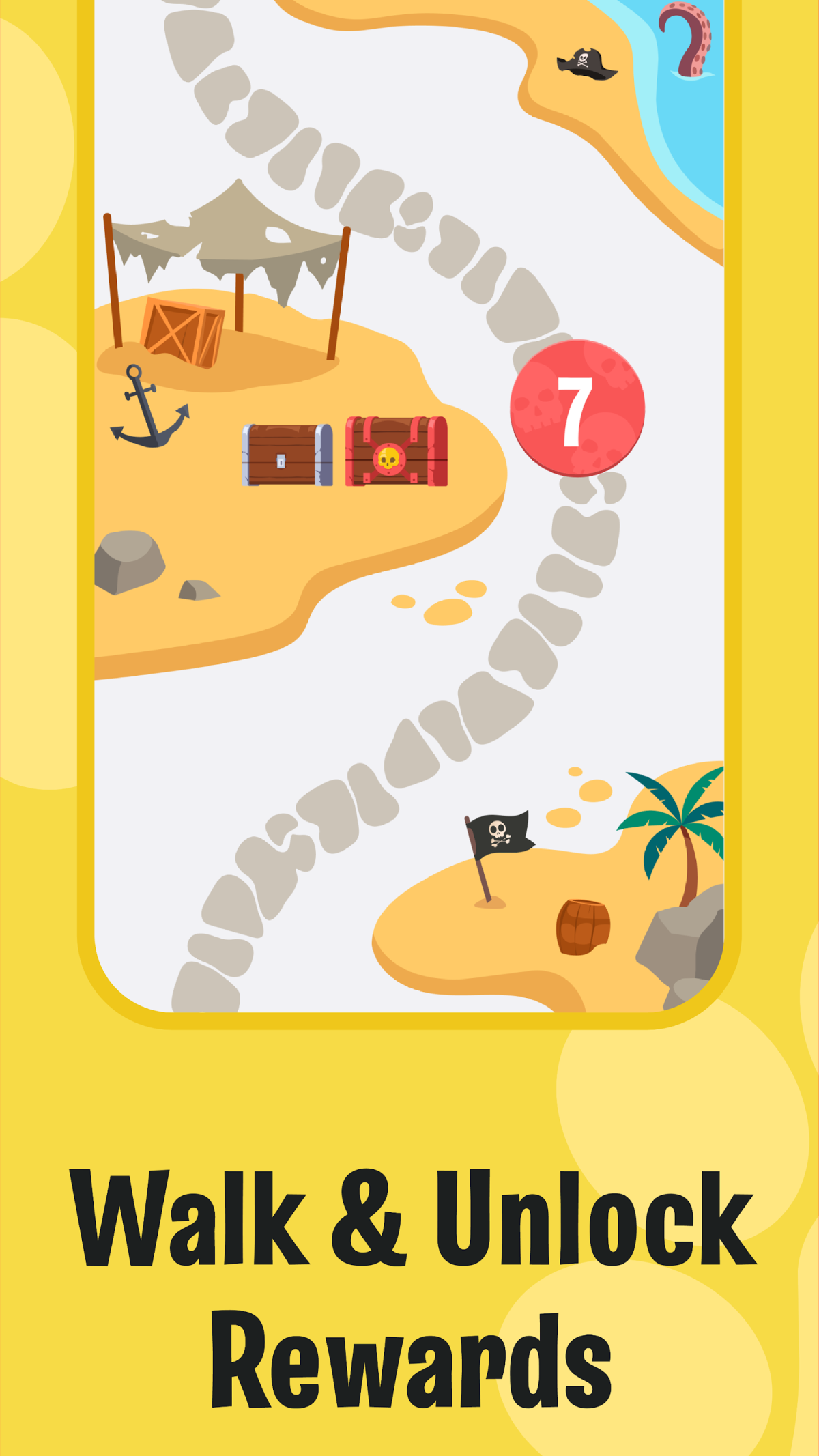
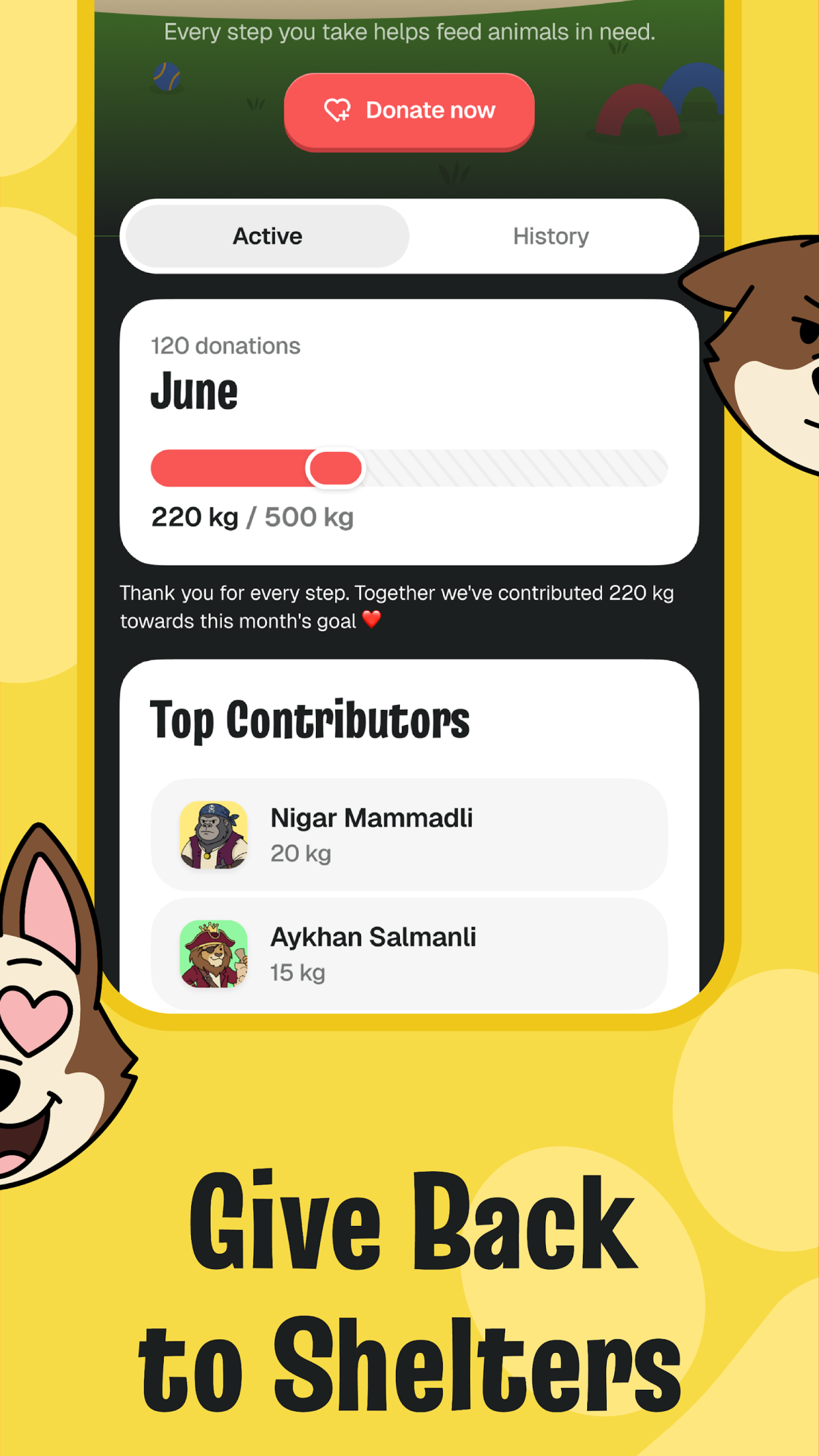
One thousand coins provides one kilogram of food to a shelter dog in need.
The platform operates on a seasonal model: three-month windows each with a distinct theme, a community progression map, milestone rewards from partner brands, and leaderboards tracking both individual and collective activity.
Season 1 runs from June to August 2026, anchored in Baku, with partners including United Coffee Beans, Park Cinema, and veterinary clinics BelVet and Alfavet.
A shared animated mascot provides emotional continuity across the experience, responding to community walking activity and donation milestones. Gamification elements – daily streaks, badges, leaderboards, and season-locked collectibles – are designed to build long-term engagement rather than short-term novelty.
For Dosty as a company, the launch represents a meaningful expansion of scope. Although the company began providing everything from AI-powered guidance and breed-specific content to veterinary SaaS infrastructure for clinics, Dosty Walks extends its reach into a broader community product that requires no prior connection to pet ownership.
“You don’t even have to have a pet. You can just be a regular walker; the more you walk, the better, because that means more food is being aggregated and more shelters we can help at the end of the day,” Ahmadov explained.
The problem being addressed
Ahmadov was direct about what Dosty Walks is designed to solve: the structural gap between public goodwill towards animal welfare and any practical mechanism for acting on it.
“Seventy percent of shelter expenses everywhere in the world is food. A lot of shelters that barely have that food sorted don’t have money left for medicine or regular checkups; we have stray dogs because shelters cannot sustain them,” he explained.
“Instead of creating that hate between people and animals, we decided to unite and create love. All we have to do is not stop walking; we take your steps, convert them into food, and we donate that food to shelters.”
The economics of animal sheltering bear this out. Research consistently demonstrates that the true cost of preparing an animal for adoption – intake, vet care, nutrition, and behavioral support – substantially exceeds what adoption fees recover, leaving most facilities chronically dependent on unpredictable donor revenue.
Food represents the baseline expense that, when unmet, determines how many animals a shelter can responsibly house.
Dosty’s commitment for Year 1 is a delivery of 7,000kg of food to shelters in Azerbaijan. At present, 60 dogs are supported directly, and Ahmadov’s target is to reach 150 by the end of 2026 – approximately a quarter of the country’s 600 officially sheltered animals.
The platform also addresses a separate but related issue: donor trust. Communal fundraising for animal shelters has historically been vulnerable to transparency failures, with funds pooled but disbursement left opaque.
Dosty Walks removes this uncertainty: food delivery is guaranteed by the company regardless of whether community coin donations meet a threshold, and participants receive pictures and videos of each delivery. The platform thus underwrites the baseline commitment; community contributions enhance rather than enable it.
“I took my son to the shelter and showed him those pets he was helping by walking around the neighborhood. And since that day, he brings his phone everywhere he goes in his pocket, and just walks – and then the app counts the steps; he wants to do that good, to help the dogs he met,” said Ahmadov.
Built for three audiences
Among the more considered aspects of Dosty Walks is its deliberate design for three distinct user profiles. “We had to think of ways to make this product applicable for all of them,” Ahmadov said.
The first is the individual already motivated by animal welfare, for whom the mechanic is self-evidently appealing. The second is what Ahmadov deems the “competitive junkie” – a user driven by leaderboards and personal benchmarks, who may engage with the donation mechanic incidentally but whose step contributions are no less real for it.
And the third is a subscriber primarily motivated by tangible value: the $2 USD monthly fee unlocks partner discounts – cinema tickets, cafe orders, transport credits – delivered as milestone rewards across the season map.
“While they’re competing, they may as well do the donation,” the founder explained of the third group. “Why not?”
The commercial logic is sound, too. Partner discounts are structured to exceed the subscription cost in aggregate, meaning the value-driven subscriber does not absorb a net loss over the course of the season; the shelter receives food irrespective of the user’s primary motivation; the business generates recurring revenue. Each audience cohort sustains the model without requiring the others to change behavior.
What comes next
Year 1 is conceived as a foundation rather than a destination. Ahmadov has identified Latin America as the platform’s priority expansion market in the second half of 2026 due to both cultural and regulatory reasons.
Colombia’s recent legal reforms establishing pets as sentient beings rather than property, for example, signal the kind of institutional shift that creates demand for the digital infrastructure Dosty has spent three years building.
“Latin America is going toward that direction. That’s why it’s a great market to try this new product.”
“I can live in Azerbaijan but walk for dogs in Medellin and help the guys there get food. We can all work for a bigger cause and help dogs somewhere in Vietnam. That unification factor is where the magic happens – just realizing that you walked today and it wasn’t useless,” the founder added.
Beyond Latin America – with Mexico and Venezuela serving as the first examples –, Ahmadov has identified the U.S., UK, Romania, Poland, and Australia as key markets for Dosty Walks’ next phase of expansion – geographies chosen for a mix of existing pet ownership density, regulatory momentum on animal welfare, and strong potential for local partner buy-ins.
Subsequent seasons will introduce location-specific challenges, a more sophisticated avatar and rewards system, and expanded partnership tiers targeting pet brands, wellness companies, insurers, and telecommunications providers.
The strategic horizon is a platform through which organizations can direct CSR budget towards shelter feeding programs with full accountability for outcomes, and the underlying infrastructure is already in place: 55,000 app downloads and 46,000 structured pet profiles throughout more than 50 countries.
Dosty Walks is a mechanism that makes it accessible to the far larger population of people who have never used the core product, do not own a pet, or simply happen to walk to work every morning.
In Ahmadov’s framing, that was always the intent. “Pet care doesn’t start with a pet. It starts with empathy.”
Dosty is actively seeking local partners – shelters, brands, and civic organizations – to launch future seasons of Dosty Walks. Founders of companies interested in bringing the platform to their region can send an email to [email protected].
Featured image: Alvin Mahmudov via Unsplash+
Disclosure: This article mentions clients of an Espacio portfolio company.