


The number of languages spoken across the world is immense, with some seven thousand different languages spoken, according to reports.
Each one shows a different view of the world and provides an irreplaceable link to history. The disappearance of any language is an irreparable loss of knowledge and cultural diversity, which is why technology solutions are being introduced today for their preservation.
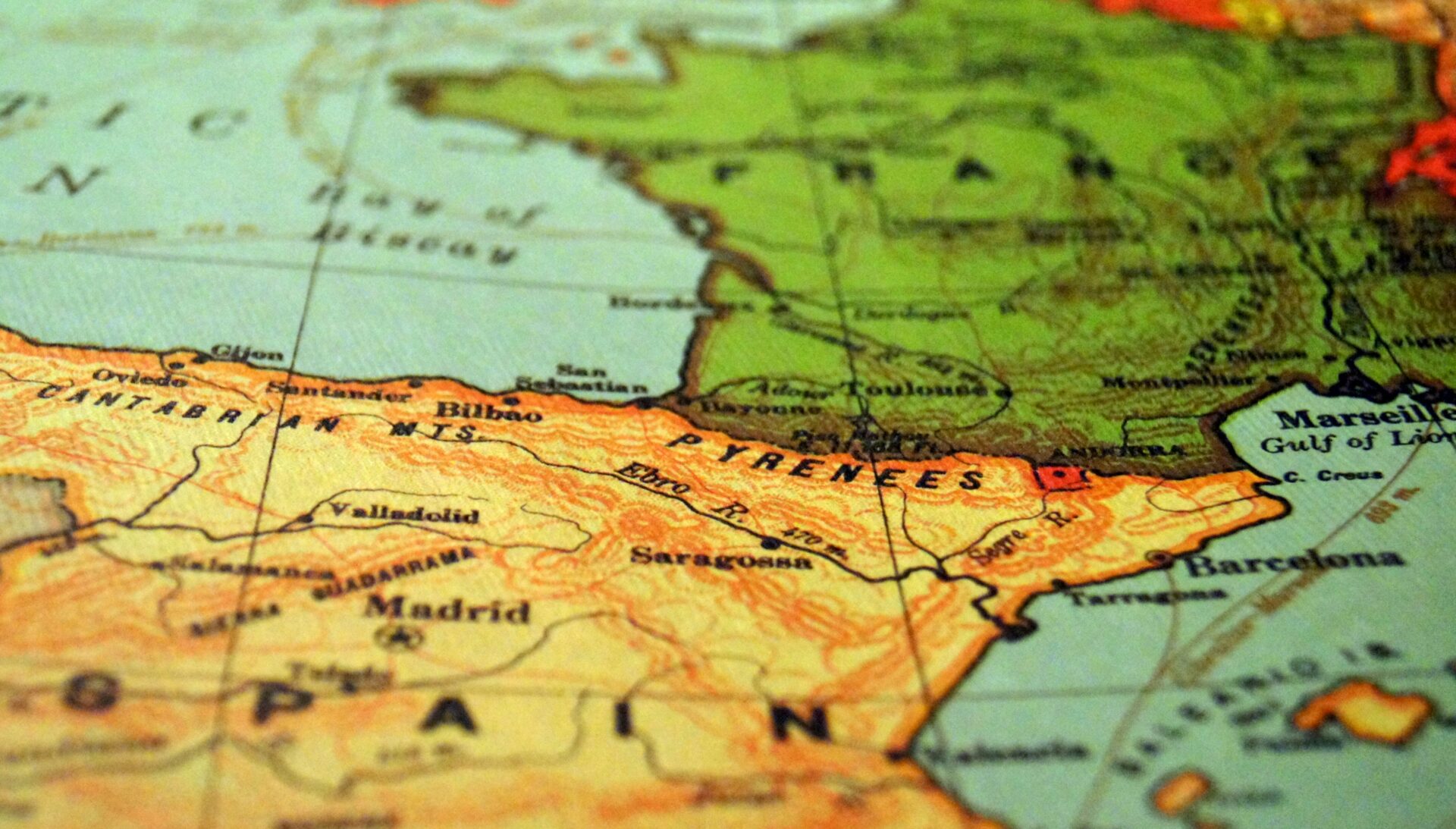
Many countries such as Spain are home to indigenous languages that originated in their territory. Further, in addition to Spanish, languages such as Catalan, Basque, and Galician also coexist and are increasingly growing in prominence. Others, such as Asturian-Leonese and Aragonese, are recognized but unfortunately more vulnerable.
This is where AI comes in as a potentially transformative tool for languages. In Spain, 96% of professionals use AI tools, mainly for translation and automation. However, only 23% consider themselves experts. This reveals a gap between widespread adoption and a mastery of these technologies.
Another challenge is language barriers, which can be a cost to future business opportunities. More than 50% of professionals report difficulties communicating in other languages, and 49% of Spanish companies say they have lost business for this reason.
Understanding technical documentation in another language is a common obstacle.
Despite this, AI offers great corrective potential. Companies in Spain can provide these technologies to their employees to facilitate work through automation and/or multilingual communication assistants.
Inclusion of languages to break down barriers
To address the challenge of preserving languages, tech enterprise DeepL –referred to as the world’s most accurate translator– recently added Catalan, Basque, Galician, and Aragonese to its platform.
The decision is important given the real economic weight of these languages, with Catalonia alone accounting for nearly 19% of Spain’s GDP.
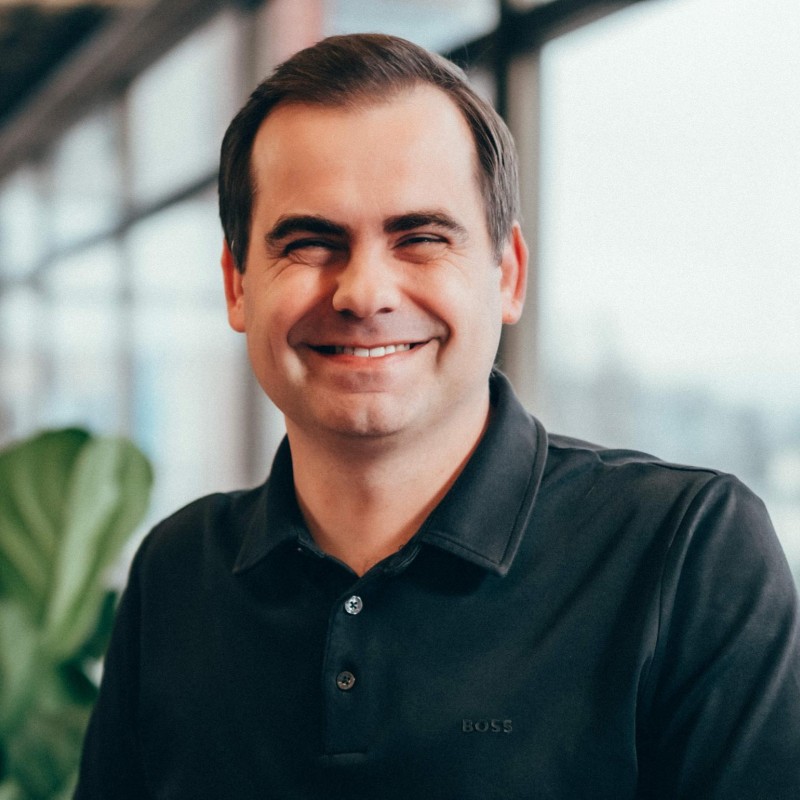
“Co-official languages are part of everyday economic life in Spain,” explained Jarek Kutylowski, Co-Founder and CEO of DeepL.
“We want to be a useful tool for the entire population, regardless of the language they use,” added the executive.
Today Catalan is understood by around 9 million people, with Basque having around 750,000 speakers. Galician is used by more than two million people, and Aragonese, with around 25,000 speakers, is increasingly gaining recognition.
In today’s world, the future will require integrating tools that can preserve languages both ethically and effectively.
If leveraged properly, technology applied to language learning can prove to serve as a fundamental bridge. It may be able to protect diversity while driving innovation.
DeepL has an important opportunity to play a key role here.