




Since the 1980s, when the number of families in Brazil headed by women almost doubled, the country has led an unprecedented movement: breastfeeding legislation.
As women’s participation in the labor market increased- and while they assumed the triple role of mother, housewife and employee- many were forced to interrupt breastfeeding, as per research published in the Pediatric, Gastroenterology, Hepatology & Nutrition journal.
Brazilian legislation reacted by establishing a postpartum leave of up to four months and two half-hour intervals during working hours- or the option to leave one hour early- so new parents could breastfeed their babies. In 2008, a law was passed granting companies a tax incentive if they increased the duration of their maternity leave to six months, and in 2010, the Ministry of Health regulated the rollout of the “Supporting Working Women and Breastfeeding” program.
In this, although legislation does intend to support women in their motherhood journeys, such benefits only apply to those employed under formal contracts. While 52.5% of women in the country participate in the labor force, 37.9% are formally employed- leaving an approximate 132.273 million women unprotected.
Besides this, the Brazilian market has been continuously dominated by large multinational corporations, which have invested heavily in lobbying efforts to further their operations. Giants Nestlé and Danone collective control 90% of the Brazilian market, while others have sought to expand aggressively into the South American nation.
The consequences of these influences are concerning. According to a study by the European Public Health Alliance (EPHA), multinationals’ practices are “overturning traditional diets and contributing to widespread obesity and health problems,” in Brazil, as products remain unnecessarily sugary, with additives that are detrimental to infants’ developing metabolic systems.
Beyond the logistical hurdles new parents must overcome in feeding their children, one in six infants are allergic to cow’s milk- traditionally used as infant formula’s proteic base. Brazilian parents thus face an impossible decision: turning to international corporations’ products despite associated risks, or maintaining a breastmilk-exclusive diet while navigating a turbulent workforce.
MIT-based biotechnology company Harmony Baby Nutrition identified this emerging need early on. Founded in 2018 by Wendel Afonso, a native to the eastern state of Minas Gerais, the startup developed the first human breastmilk-based infant formula on the market.
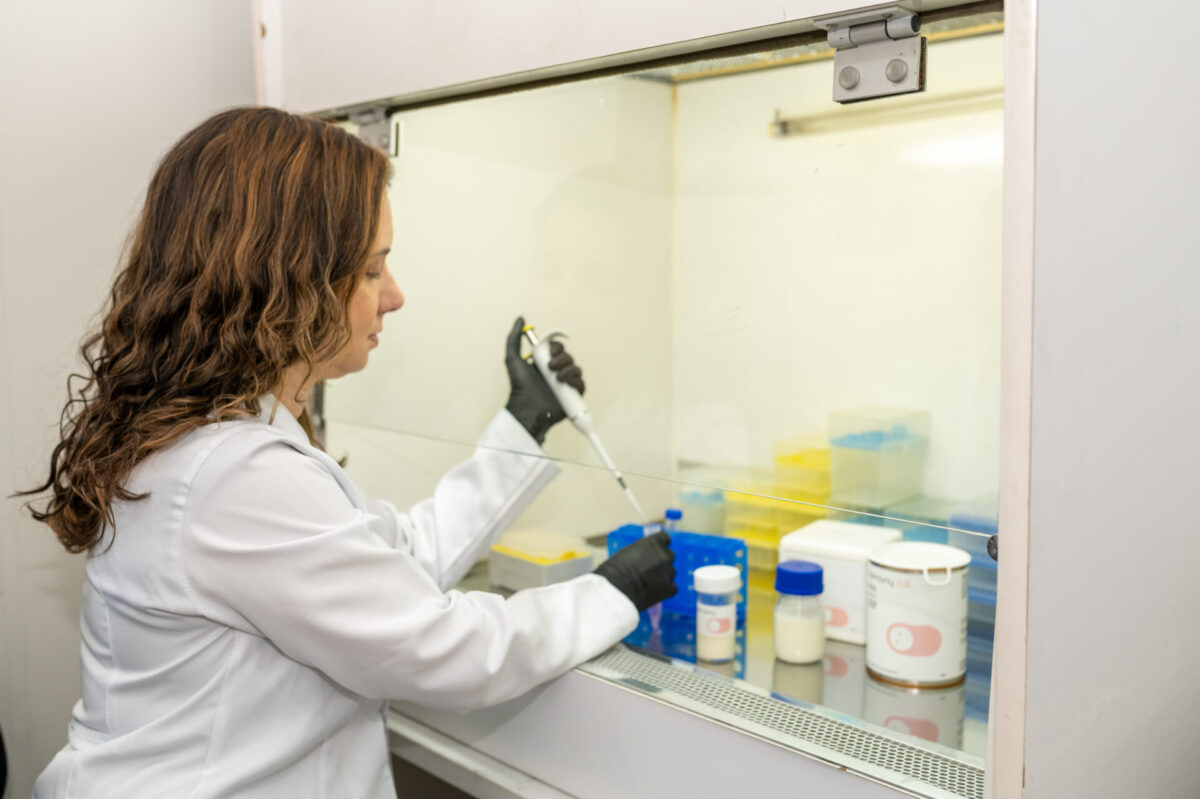
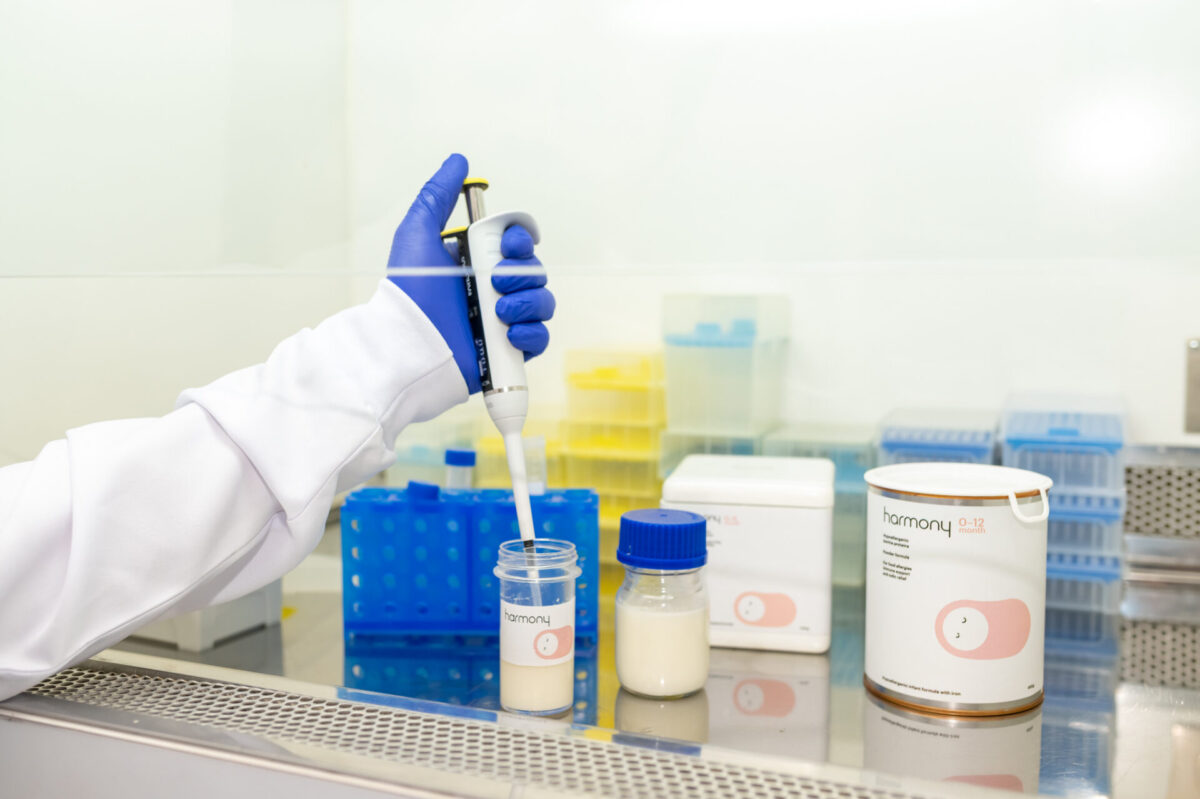
Harmony’s first product, Melodi, is a specialized toddler formula with no corn syrup, table sugar or maltodextrin that uses lactose as its carbohydrate source, and includes the sugars found in breast milk, vitamins, minerals, nucleotides, an oil blend and fatty acids that replicate the composition of human milk.
Now, Afonso and his team have secured $5.9 million USD in funding from the FINEP-BNDES innovation fund to develop a new research and development (R&D) center in the city of Belo Horizonte, in Minas Gerais.
“There is currently no domestic infant formula industry in Brazil; the market has been dominated for decades by large multinational companies,” noted Afonso, who is also CEO at Harmony.
“This funding allows us to establish a world-class research and production ecosystem right here in Belo Horizonte. In doing so, we are also positioning Brazil as a global leader in humanized infant formula innovation. We’re honored that Harmony has been chosen as a company capable of shaping the country’s technological future,” he continued.
FINEP-BNDES is one of Brazil’s foremost innovation funds, created under the Nova Indústria Brasil policy, introduced in January 2024 as a way of stimulating productive technological development, guide investment, and expand the country’s industrial competitiveness.
Since January 2024, the policy has allocated $555 million USD to strengthen domestic innovation capacity, and selects companies capable of large-scale R&D infrastructure. The selection of Harmony is not only a testament to Brazil reversing its premature deindustrialization, but to the startup’s scientific leadership and global potential.
The project will recruit 25 professionals, of which at least five will be scientists with masters’ or doctoral degrees. These experts will contribute across multidisciplinary domains, including scientific, technical, administrative and operational capacities.
Encompassing 250 square meters, the center will also include advanced laboratories dedicated to R&D, quality control, and a state-of-the-art application plant with high-precision and efficient technologies. Its goal is to develop and improve formulations tailored to diverse clinical and nutritional needs, as well as investigating the bioactive properties of breastmilk.
Disclosure: This article mentions a client of an Espacio portfolio company.